



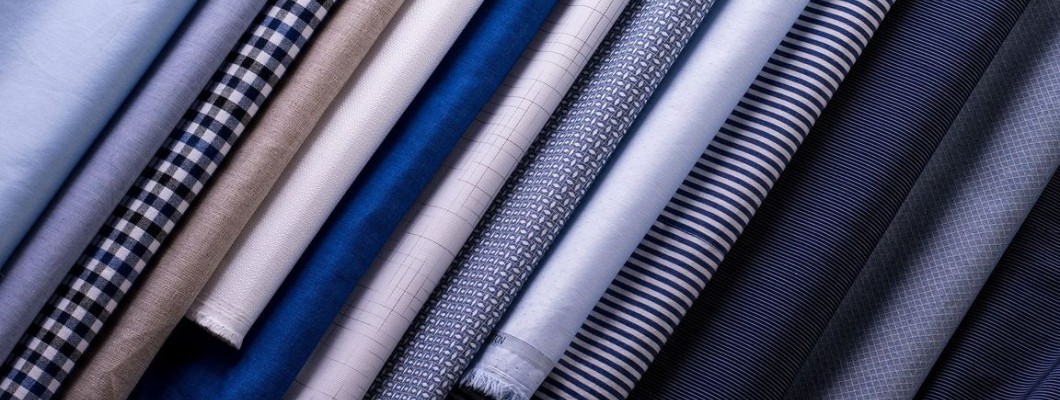
Choosing the right fabric is the foundation of any great outfit. Whether you're tailoring a sharp formal suit or a comfortable everyday shirt, understanding fabrics helps you achieve the perfect balance of style, comfort, and durability. This guide will walk you through everything you need to know about suiting and shirting fabrics.
What Are Suiting Fabrics?
Suiting fabrics are specially designed for structured garments like suits, blazers, and trousers. These fabrics are typically thicker, more durable, and crafted to maintain shape.
Popular Suiting Fabrics:
Wool: The most preferred choice for suits due to its breathability and versatility
-
Polyester Blends: Affordable, wrinkle-resistant, and durable
-
Cotton: Lightweight and ideal for summer suits
-
Linen: Perfect for warm weather but prone to wrinkles
-
Tweed: Heavier fabric suitable for winter and textured looks
What Are Shirting Fabrics?
Shirting fabrics are lighter, softer, and designed for comfort. They are ideal for daily wear and come in a wide variety of textures and patterns.
Popular Shirting Fabrics:
-
Cotton: The most common and comfortable option
-
Linen: Breathable and perfect for hot climates
-
Chambray: Lightweight with a denim-like appearance
-
Oxford Fabric: Slightly thicker, great for casual shirts
-
Poplin: Smooth and crisp, ideal for formal shirts
This is a blockquote element. It's styled from the Journal admin Typography style. You can edit lots of options including the custom icon on the side, font and other text styles, padding, background, etc.
Key Differences Between Suiting & Shirting Fabrics
| Feature | Suiting Fabrics | Shirting Fabric |
| Weight | Heavier | Lightweight |
| Structure | Structured | Soft & Flexible |
| Usage | Trouser, Suit, Blazer, Jacket | Shirt, Kurta |
| Comfort Level | Moderate | High |
Responsive Video
How to Choose the Right Fabric
1. Consider the Occasion
-
Formal events: Wool or blended suiting fabrics
-
Casual wear: Cotton or linen fabrics
2. Check the Climate
-
Summer: Lightweight cotton or linen
-
Winter: Wool or tweed
3. Focus on Comfort
Always choose breathable fabrics, especially for daily wear.
4. Look at Fabric Quality
High-quality fabrics last longer, maintain color, and offer better finishing.
Understanding Fabric Weaves
The weave of a fabric affects its texture, durability, and appearance.
Plain Weave: Simple and durable (e.g., poplin)
Twill Weave: Diagonal pattern, strong and wrinkle-resistant
Satin Weave: Smooth and glossy finish
Tips for Buying Fabrics Online
Check fabric composition and specifications
Look for high-resolution images
Read product descriptions carefully
Choose trusted sellers with good reviews
Opt for platforms offering custom cutting options
Check fabric composition and specifications
Look for high-resolution images
Read product descriptions carefully
Choose trusted sellers with good reviews
Opt for platforms offering custom cutting options
Final Thoughts
Suiting and shirting fabrics play a crucial role in defining your overall look. By understanding the types, textures, and uses of different fabrics, you can make informed decisions and create outfits that reflect your personal style.
Whether you're a designer, tailor, or fashion enthusiast, investing in the right fabric ensures your garments not only look great but also last longer.
2 Comment(s)
15 Top Crypto Casino Games Bloggers You Must Follow Top Crypto Casino (ein-zauberer.ch)
Guide To Best Casino For Crypto: The Intermediate Guide On Best Casino For Crypto Best Casino For Crypto
Leave a Comment